When Faith Hill told an interviewer that moving to Nashville was the reason for her success, Taylor Swift took note. She asked her mom if they could visit. Mrs. Swift said yes. Taylor recorded a demo, and they drove around Nashville, stopping at publishing companies and record labels. Taylor would run inside, hand her contraband to the front desk, and say, “Hi. I’m Taylor. I want a record deal. Call me.” Then would jump back in the car with her mom and continue making the rounds.
Most 11-year-olds want to start fires, build forts, or take guitar lessons. Taylor Swift wanted a record deal – she was 11.
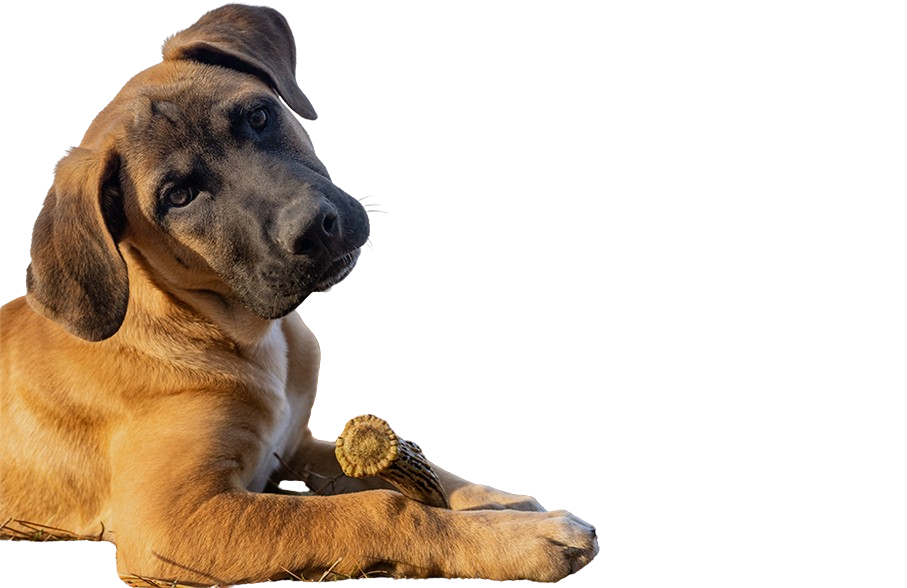
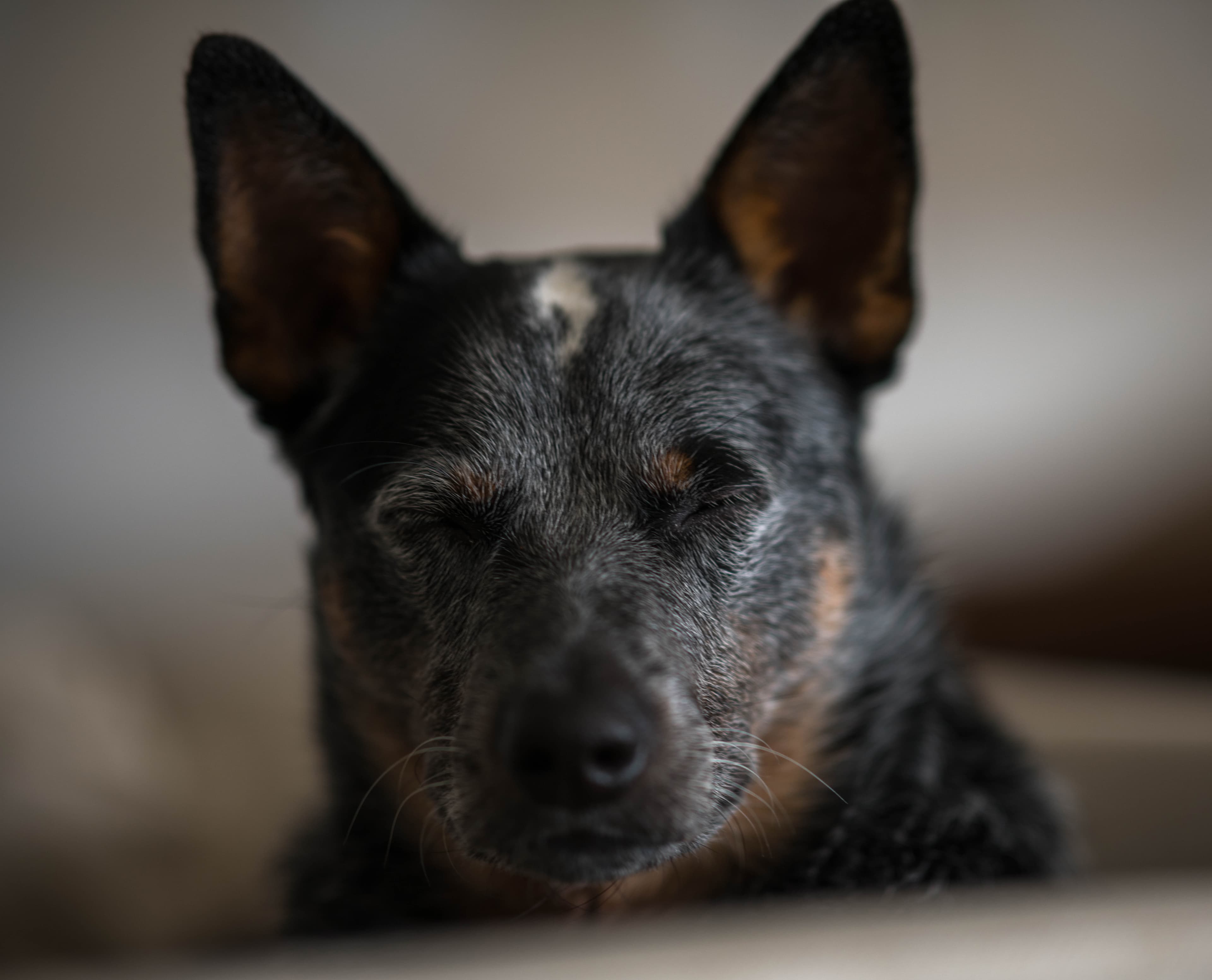
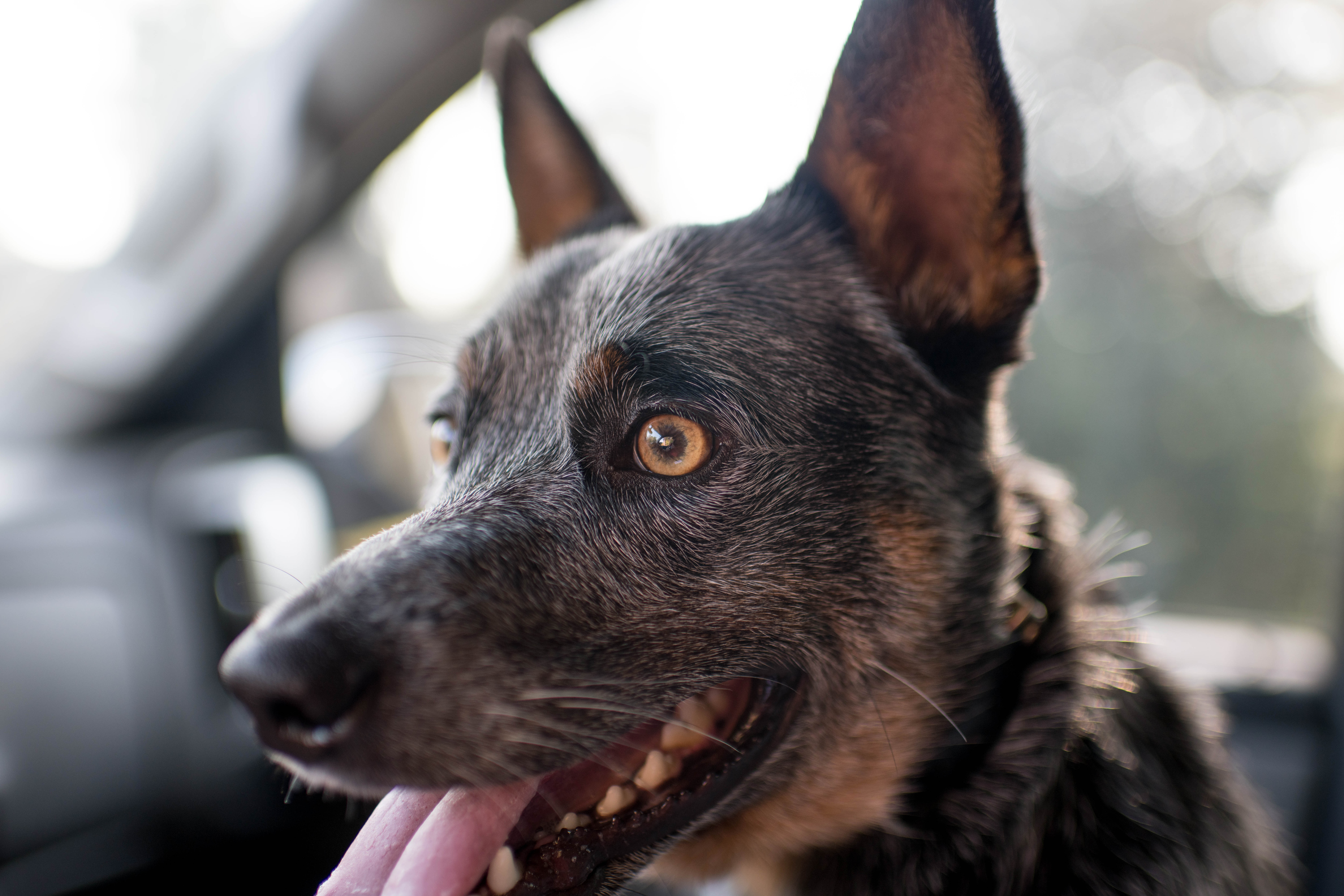
Dirt resembles me more than anyone, but holding my hand and kissing me on the cheek, would be Taylor. Yep. Dirt’s a Swifty. Not because he’s obsessed with her song, Look What You Made Me Do, but because, like Taylor, Dirt’s a disrupter. And disrupters are bold.
Being a disrupter ain’t easy. Some of us are born with it, and others were encouraged to pursue their bold aspirations as kids. Sometimes encouragement is just getting out of the way.
If Taylor's parents had focused on the likely outcome of her young ambitions, the world would have never heard of Tim Mcgraw. If Bill Shakespeare’s father told him to “put down the pencil and play more video games,” we wouldn’t have to study the guy in English class (which I do secretly hold a grudge against John Shakespeare, his father. How hard is it to throw your kid a baseball and hide the pencils? Come on, man. I failed everything, Shakespeare. And I don’t feel bad about it. He’s overrated.)
Dirt, Taylor, and ole’ Bill are disrupters. They’re anomalies. They know they were made to move two-ton steers, write songs about Blank Spaces, and tell confusing love stories. They have this unique ability to remain unapologetically authentic and true to themselves. From an early age, they learn to ignore the opinions and unsolicited advice from sheep herders or disgruntled fans in the nose bleeds. Taking risks is hard enough. Disrupters use the voice of cynics as confidence and proof they’re making progress.
That's why Dirt and Taylor were a match made in heaven. Rational thought would tell us if Taylor really knew what she was up against – how hard it is to tackle the music industry – she would’ve taken gymnastics. And if Dirt really knew the repercussions of a two-ton bull kicking him in the jaw meant he may never eat from a bowl again, they’d probably give up, right? Nope. And that’s the difference between disrupters and non-disrupters. They actually enjoy risking the possibility of catastrophic failure.
Heelers were bred to nip and duck, then nip again. Anticipating the cow to kick back after the first nip is in their DNA. Can you imagine if we all had the DNA of a cow dog? We’d all be a bunch of Swifties, getting knocked down, Shaking It Off, then coming back to bite even harder.
I’d be lying if I told you Dirt didn’t destroy every pair of pants I owned. I tried to place him into a mold I didn’t know I’d created. I’d become the cynic screaming from the bleachers.
I had to adjust my expectations of him. I stopped trying to change him and started guiding him. In turn, he taught me to be curious and buy better pants. Disrupters, like blue heelers, get a terrible rap for being misunderstood.
Dirt doesn't concern himself with the consequence, only the action. This is known as “The Taylor Swift Method.” The results happen to be quite disruptive.
0 Comments
Join the conversation
Create a free account to comment, reply, and vote. Already have one? Sign in to pick up where you left off.
No comments yet. Be the first to share your thoughts!