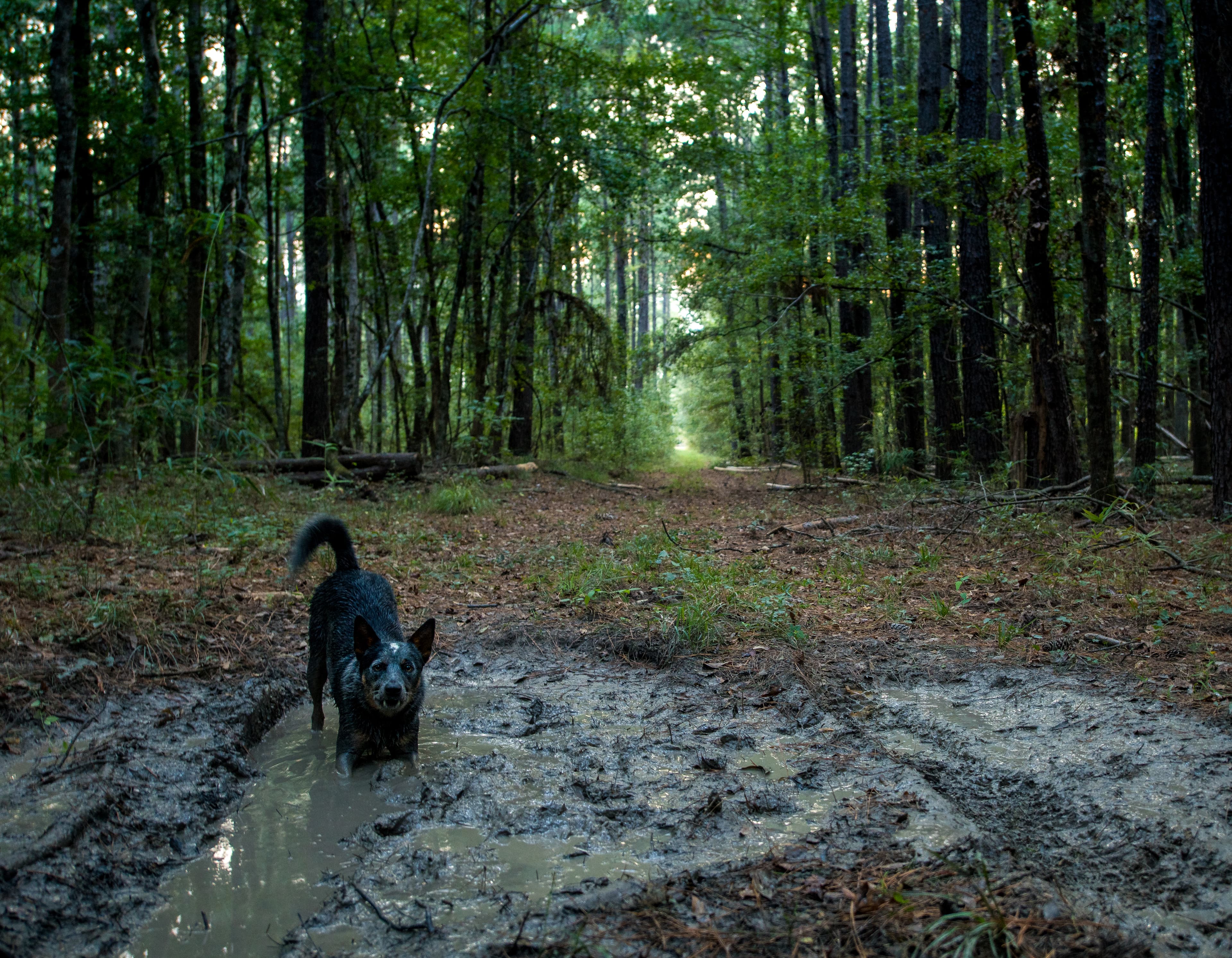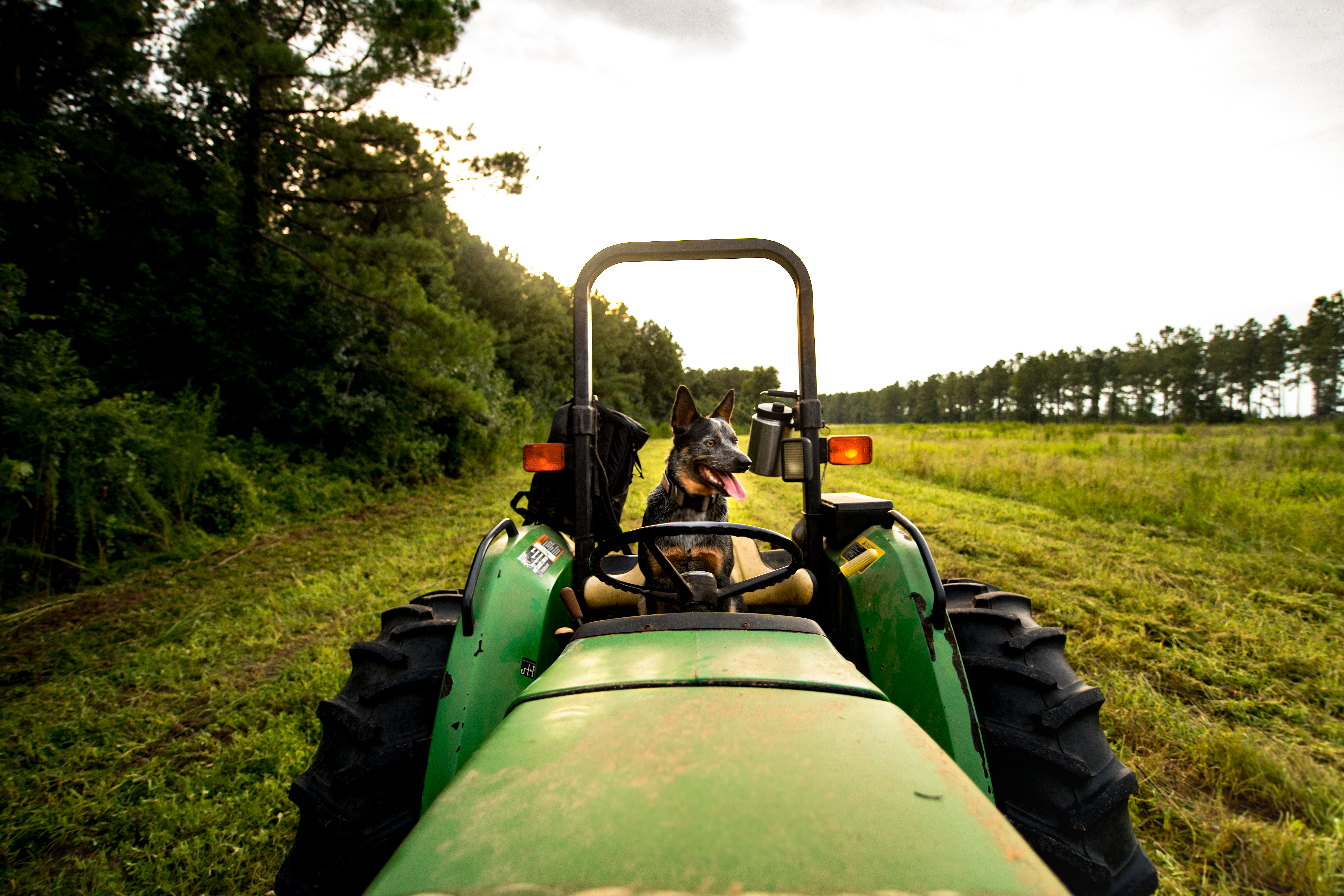
In his book Atomic Habits, James Clear outlines his Four Laws for Behavior Change, which we can use to build better habits.
While James knows his stuff regarding human behavior concerning habit change, I thought it might be fun to take a stab at how these laws appear in our canine buddies and what they can teach us.
The Obvious
We humans love to complicate things, especially things that are known for their simplicity, such as communication. Humans are empathetic creatures for the most part, so we consider the emotional well-being of those we are communicating with, which in turn creates a high probability of misinterpretation.
In layman's terms, we beat around the bush. We use four sentences when one will do. We write two paragraphs in an email before we get to the point. We “small talk” the first two minutes of a phone call. For example, this sentence is totally pointless. It needs to be removed, but you’re still reading it hopeful to find a point. But there isn’t one, just move on. See what I mean?
I’m not saying be awkwardly candid– I’m saying get to the point as quickly as possible without bush-beating or being a jerk.
Dirt communicates his boundaries to any human, animal, or non-animate object, anytime he feels they’re not precisely meeting the guidelines of his communication style, which is direct and to the point.
Cow-dogs were trained to nip the heels of cattle, duck to avoid the kick, and immediately go back and nip again. This behavior is direct and matter-of-fact, and the cows they herd respect them for it.
Attractive
Chairs, sofas, beds, mats, if it’s comfy, Mud lays on it. He loves a good spot on the floor, too. Mud likes to rest. And because he likes to rest, he makes his desired resting spots always available and always attractive. He notices his desire and love of snoozing and saturates his environment in such a way that is conducive to prioritzing his sleeping habit. He knows his future self is going to always want a comfy place to lie, so he makes his environment as attractive as possible to accommodate his priority.
Cleaning is a big one for me. I have a tough time focusing if my workspace is cluttered. Work can be tedious, so I try to keep my space somewhat orderly to make it more attractive, which results in more work.
Easy
I haven’t stepped in dog poop in years. At least not Dirt or Muds. It doesn’t matter the location, they don’t poop in places where they play, sleep or walk.
The doggie poop bag is an interesting concept to me. I understand the obvious reasoning for why they’re necessary for apartments, subdivisions, or dystopian nightmares like New York or LA, but I found myself wondering if it wasn’t so much the area they poop as it is the length of the leash? If it wasn’t for the leash, I doubt they would poop directly on the sidewalk.
Regardless, dogs make everything in their life as easy as possible. They’re aware it takes a little extra trot to poop in the shrubs, but they’re doing their future self a favor when they want to roll in the grass.
Satisfying
Toys are everywhere in our yard. I may not have stepped in poop in years, but I almost break my ankles on a daily basis. Mud keeps so many rubber balls around, I have flashbacks to McDonald’s ball pits. It’s the same with Dirt and his frisbees. It’s satisfying to my boys to have their toys around.
If we take a bird's-eye view of Dirt and Mud's behavioral habits, everything leads to the fulfillment of what they care about most. The way they communicate, make things attractive and keep things easy all lead to a desired feeling of gratification. It’s satisfying when the culmination of these habits results in maximizing the things they love to do.
Unfortunately, humans are complex thinkers. We’re problem solvers but we’re also problem creators. Animals can’t compete with the cognitive ability we humans possess. However, when it comes to cognitive reasoning, I believe they are far superior, in relative terms, of course.
Animals don’t think in terms of “why” they’re doing something, they only think in terms of how it benefits their priorities.
Obvious, attractive, easy, and satisfying? Or can we just say…simple.
0 Comments
Join the conversation
Create a free account to comment, reply, and vote. Already have one? Sign in to pick up where you left off.
No comments yet. Be the first to share your thoughts!